
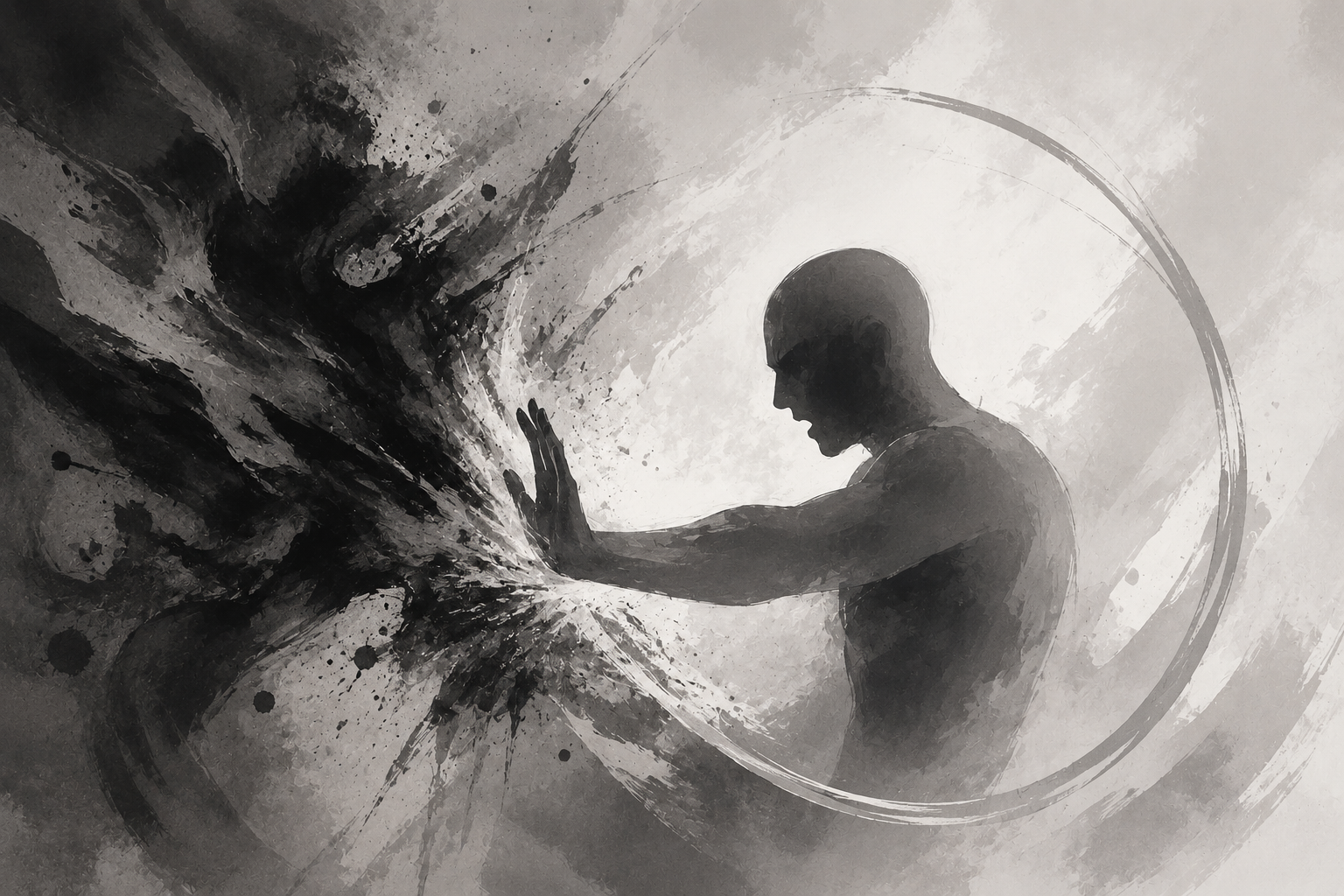
Anger is one of the most powerful emotions God placed within humanity. In itself, anger is not always sinful. Scripture reveals moments where righteous anger reflected justice, holiness, and divine indignation. Jesus Himself displayed righteous anger when He cleansed the temple from corruption and exploitation (Matthew 21:12–13). However, when anger becomes uncontrolled, unresolved, flesh-driven, and emotionally dominant, it transforms from an emotion into a destructive spiritual force that can slowly destroy a person from the inside out.
Many people underestimate the destructive power of anger because they focus only on outward explosions such as shouting, fighting, or hostility. Yet anger often destroys silently. It corrodes the heart, poisons relationships, distorts judgment, weakens discernment, damages mental health, opens spiritual doors, and slowly imprisons the soul.
Unmanaged anger is not merely an emotional issue.
It is a spiritual issue.
Anger Often Begins as Pain
Most anger does not begin as anger.
It begins as:
- Rejection
- Betrayal
- Fear
- Humiliation
- Insecurity
- Trauma
- Disappointment
- Abandonment
- Unhealed wounds
Many people use anger as armor to protect hidden pain.
Emotional intelligence studies shows that anger is often a secondary emotion that develops from deeper emotional pain, fear, or vulnerability. People frequently redirect emotional pain outward through hostility because anger temporarily creates a false sense of strength and control. In reality, unresolved anger often reveals unresolved wounds.
This is why some individuals react intensely to situations that seem small to others. The visible reaction is often connected to invisible pain.
Cain: The First Man Destroyed by Anger
Cain is one of the clearest biblical examples of how anger can destroy a person spiritually.
When God accepted Abel’s sacrifice and rejected Cain’s offering, Cain became angry and emotionally unstable.
“And Cain was very wroth, and his countenance fell” (Genesis 4:5).
Notice something important:
God warned Cain before destruction occurred.
“Sin lieth at the door. And unto thee shall be his desire, and thou shalt rule over him” (Genesis 4:7).
God revealed that anger was opening a spiritual door.
Cain refused to master his emotions, and anger eventually gave birth to murder.
Uncontrolled anger distorted Cain’s judgment, destroyed his relationship with his brother, separated him spiritually from God, and altered the course of his life forever.
This is the nature of unresolved anger:
It rarely stays contained.
It spreads.
Anger Distorts Judgment
One of the greatest dangers of anger is that it impairs discernment and rational thinking.
Emotionally charged individuals often:
- Overreact
- Misinterpret situations
- Assume motives
- Speak impulsively
- Make destructive decisions
- Damage relationships permanently
Anger narrows perspective.
A person consumed by anger often sees people through the lens of offense rather than truth.
This is why Proverbs warns:
“He that is soon angry dealeth foolishly” (Proverbs 14:17).
Many lives have been permanently altered by decisions made in moments of uncontrolled anger:
- Broken marriages
- Destroyed ministries
- Divided churches
- Lost friendships
- Violence
- Regret-filled words
Some people spend years trying to repair damage caused by one uncontrolled emotional moment.
Anger Can Become a Spiritual Stronghold
The Bible warns believers repeatedly about unresolved anger because prolonged anger creates spiritual vulnerability.
Paul writes:
“Neither give place to the devil” (Ephesians 4:27).
The word “place” implies territory, access, or foothold.
Bitterness, resentment, rage, and offense can eventually become spiritual strongholds that influence thinking, perception, relationships, and behavior.
Unresolved anger can produce:
- Bitterness
- Hatred
- Revenge
- Jealousy
- Emotional instability
- Depression
- Isolation
- Pride
- Spiritual numbness
Many people who appear strong externally are internally imprisoned by unresolved offense.
Anger becomes toxic when it is fed continually through replaying offenses, rehearsing pain, nurturing revenge fantasies, and refusing forgiveness.
Saul: How Anger and Jealousy Destroyed a King
King Saul demonstrates how unchecked emotions can destroy leadership, purpose, and destiny.
Saul was chosen and anointed by God, yet insecurity and jealousy gradually consumed him after David’s victories became publicly celebrated.
“Saul eyed David from that day and forward” (1 Samuel 18:9).
Saul’s anger eventually developed into:
- Obsession
- Paranoia
- Rage
- Fear
- Emotional instability
- Irrational behavior
His emotional imbalance distorted his perception until he viewed David — the very one who comforted him — as an enemy.
Unresolved anger blinded Saul spiritually.
Many people lose relationships not because others became enemies, but because anger altered their perception.
Eventually Saul’s emotional instability contributed to spiritual decline, isolation, and destruction.
Anger Also Destroys the Body
Modern medical research consistently links chronic anger to:
- High blood pressure
- Heart disease
- Anxiety
- Panic disorders
- Depression
- Sleep disorders
- Weakened immune function
- Chronic stress
The body was not designed to live in continual emotional warfare.
Proverbs reveals this truth long before modern psychology:
“A merry heart doeth good like a medicine: but a broken spirit drieth the bones” (Proverbs 17:22).
Emotions affect the body.
The spiritual realm and emotional realm are deeply connected.
Jesus Demonstrated Emotional Mastery
Jesus experienced emotion deeply:
- He wept
- He grieved
- He felt compassion
- He expressed righteous anger
- He experienced sorrow
Yet He never allowed emotions to govern Him sinfully.
Even during betrayal, false accusations, torture, and crucifixion, Jesus remained emotionally governed by the will of the Father rather than emotional reaction.
This is true emotional maturity:
Not emotional suppression, but emotional surrender to God.
How to Overcome Uncontrolled Anger
1. Identify the Root
Ask God to reveal the hidden wound beneath the anger.
2. Practice Emotional Awareness
Recognize emotional triggers before reacting impulsively.
3. Surrender Pain to God
Healing begins where honesty begins.
4. Refuse Bitterness
Bitterness imprisons the carrier more than the offender.
5. Develop Self-Control Through the Holy Spirit
Self-control is fruit of the Spirit, not merely human discipline.
6. Learn Healthy Communication
Not every emotion needs immediate expression.
7. Pursue Inner Healing
God desires to heal emotional wounds, not merely modify behavior.
Final Thoughts
Anger can either become a servant of righteousness or a weapon of destruction.
Uncontrolled anger destroys discernment, relationships, leadership, mental health, spiritual sensitivity, and peace. Many people are fighting external battles while privately being destroyed internally by unresolved anger.
God never intended believers to live imprisoned by rage, bitterness, offense, or emotional torment.
Healing is possible.
Freedom is possible.
Emotional restoration is possible.
The Holy Spirit does not simply deliver people from demons.
He also heals wounded emotions, transforms the mind, and restores the heart.
The strongest believers are not those who never feel anger.
They are those who surrender anger to God before anger begins to rule them.




Leave a Reply