
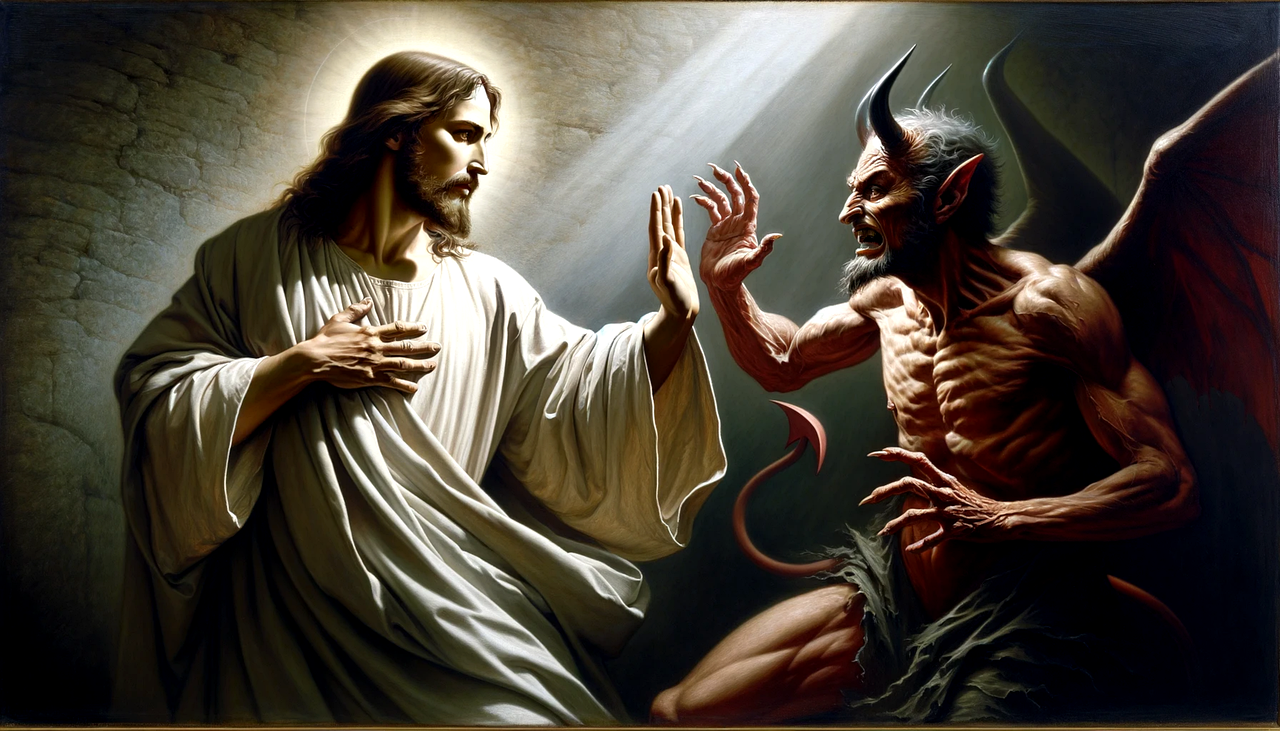
“The Lord is a man of war; the Lord is His name.” — Exodus 15:3
Every believer is engaged in warfare, whether they acknowledge it or not. The issue is not if there is a battle—but where the battle is fought.
The Altar of War is not the place of panic, noise, or fleshly striving. It is the place of strategy, authority, and divine enforcement. Battles that are lost in life are usually battles that were never handled at the altar.
1. War Is Spiritual Before It Is Natural
Scripture makes it clear:
“For we do not wrestle against flesh and blood…” (Ephesians 6:12)
When believers fight people instead of powers, they lose clarity and waste strength. The Altar of War shifts your focus from reaction to revelation.
At this altar:
- God reveals the true enemy
- Strategies replace frustration
- Discernment precedes action
Jesus never reacted—He discerned. And because of that, He always won.
2. Altars Determine Victory
In Judges 6, Gideon was not commissioned for war until he tore down his father’s altar to Baal and built an altar to the Lord (Judges 6:24–26). Only then did the Spirit of the Lord come upon him.
You cannot win battles against enemies while maintaining agreements with idols.
The Altar of War demands:
- Renounced covenants
- Broken generational agreements
- Consecrated ground
Victory begins with alignment, not aggression.
3. Warfare Is Enforced by Obedience
Spiritual warfare is not about shouting—it is about submission.
Saul lost authority in war because he disobeyed God at the altar (1 Samuel 15).
Joshua won battles because he followed divine instructions—even when they made no natural sense (Joshua 6).
Delayed obedience weakens authority.
Partial obedience opens doors to prolonged warfare.
At the Altar of War, obedience is the sharpest weapon.
4. The Weapons of War Are Spiritual
Paul reminds us:
“The weapons of our warfare are not carnal…” (2 Corinthians 10:4)
At this altar, God releases:
- The Word as a sword
- Prayer as artillery
- Fasting as acceleration
- Praise as confusion to the enemy
When Israel worshipped, enemies destroyed each other.
When Jehoshaphat prayed, the Lord set ambushes.
Hell does not fear noise—it fears authority exercised in alignment.
5. The Altar of War Requires Endurance
Some battles end quickly; others require persistence.
Daniel’s answer was released on day one—but war delayed manifestation (Daniel 10). Elijah prayed seven times before rain appeared (1 Kings 18).
Warfare that is sustained at the altar eventually breaks resistance in the heavens.
Do not abandon the altar because the battle is prolonged. Delay is not denial—it is often resistance being dismantled.
6. Knowing When the War Is Over
Not every season requires constant warfare.
David inquired of the Lord before every battle—even after repeated victories (2 Samuel 5:19–25). Wisdom knows when to fight, when to stand, and when to rest.
The Altar of War teaches restraint as well as aggression.
Victory is confirmed by peace, not exhaustion.
7. The Promise of the Altar of War
When warfare is handled at the altar:
- Battles in life decrease
- Clarity replaces confusion
- Authority replaces striving
- Enemies scatter without confrontation
What is settled in the spirit does not need to be re-fought in the natural.
Closing Prayer
Mighty Man of War,
We come to the Altar of War, submitting our lives, families, and assignments to You.
Expose every hidden agreement, break every ungodly covenant, and align us fully with Your will.
Train our hands for war and our fingers for battle.
Release strategies from heaven and enforce victory in every contested area.
We declare that no weapon formed against us shall prosper, and every battle is won in You.
In Jesus’ name, Amen.




Leave a Reply