
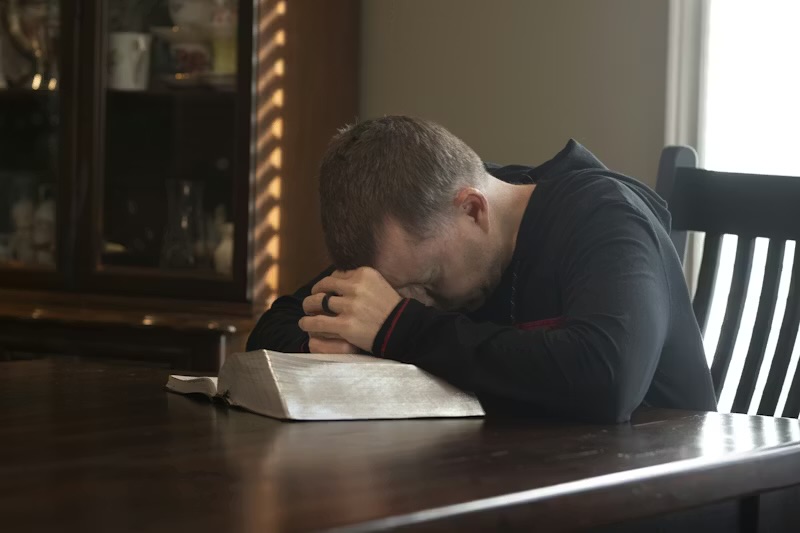
Many people want Jesus as Savior, but few understand what it truly means to surrender to Him as Lord. This misunderstanding is why some pray a prayer, attend church, yet continue to feel empty, bound, or spiritually stagnant. True surrender is not a momentary emotion—it is a spiritual exchange where control is released, identity is restored, and a new life begins.
To surrender your life to Jesus means placing every part of who you are—your past, your wounds, your desires, your future—on God’s altar. Romans 12:1 calls this becoming a “living sacrifice,” holy and acceptable to God. Salvation begins with belief, but transformation begins with surrender. Until the heart is yielded, the soul remains divided, and spiritual growth is limited.
Why Surrender Is Necessary for Salvation and Growth
Sin is not only about wrongdoing; it is about self-rule. From the beginning, humanity fell not because of ignorance, but because of independence from God. When we surrender, we reverse that curse by declaring that Jesus—not our flesh, emotions, or past—has authority over our lives. This is why Scripture says, “If anyone is in Christ, he is a new creation” (2 Corinthians 5:17). Salvation is not behavior modification; it is new life birthed through submission to Christ.
Many who struggle spiritually are not resisting God—they are simply still holding onto areas they have not surrendered. Hidden pain, unforgiveness, sexual sin, fear, pride, or shame can quietly block intimacy with God. Surrender removes these barriers and allows the Holy Spirit to heal, lead, and empower.
What True Repentance Looks Like
Repentance is often misunderstood as feeling bad about sin. Biblically, repentance means changing direction—turning away from self and turning fully toward God. It is not shame-driven; it is hope-filled. God does not demand repentance to punish us, but to free us. When repentance is genuine, it produces peace, clarity, and renewed hunger for righteousness.
The Bible promises, “If we confess our sins, He is faithful and just to forgive us and to cleanse us from all unrighteousness” (1 John 1:9). This cleansing restores spiritual sensitivity and reopens communion with God. Many people feel distant from God not because He left, but because repentance has been delayed.
How to Begin Walking Stronger in Christ
Spiritual strength is not built through religious effort, but through relationship and obedience. Jesus said, “Abide in Me” (John 15:4), meaning strength flows from closeness. As you surrender daily—through prayer, reading Scripture, obedience, and allowing the Holy Spirit to convict and guide—you begin to grow in discernment, authority, and peace.
Walking with Christ also requires guarding your spiritual altar. What you consume, entertain, and align with either strengthens the Spirit or feeds the flesh. Growth happens when old patterns are replaced with new disciplines and godly connections. God never calls us out of sin without also calling us into wholeness.
God Is Calling You Back to the Altar
Whether you are seeking salvation for the first time, returning after a fall, or longing to grow deeper in Christ, the invitation is the same: come back to the altar. God is not asking for perfection—He is asking for surrender. When the altar is yielded, chains break, identity is restored, and life begins again.
Jesus is not merely a doorway to heaven; He is the foundation of a transformed life. Today can be the day everything changes—not because you tried harder, but because you finally laid everything down.
Salvation Prayer…
Father God,
I come to You just as I am. I acknowledge that I have sinned and that I have lived parts of my life apart from You. Today, I turn away from sin and I turn toward You. I believe that Jesus Christ is the Son of God, that He died on the cross for my sins, and that He rose again so that I could have new life.
Jesus, I confess You as my Lord and my Savior. I surrender my heart, my past, my wounds, and my future to You. Forgive me, cleanse me, and make me new. I receive Your grace, Your mercy, and Your Holy Spirit. From this day forward, I choose to follow You, walk in truth, and live for Your glory.
Thank You for saving me, restoring me, and calling me Your own.
In Jesus’ name, Amen.
Next Steps After Salvation
1. Believe What God Says About You
Salvation is not based on feelings—it is based on truth. The Bible says that if you confess Jesus as Lord and believe in your heart, you are saved (Romans 10:9–10). You are now forgiven, accepted, and made new in Christ. When doubts arise, return to God’s Word, not your emotions.
2. Begin Talking to God Daily
Prayer is simply conversation with God. Start where you are—thank Him, ask questions, share your struggles, and listen. Even a few sincere minutes a day builds intimacy and spiritual strength.
3. Read the Bible With Expectation
Begin with the Gospel of John or the book of Romans. Ask the Holy Spirit to help you understand and apply what you read. God’s Word renews your mind and anchors your faith.
4.Turn Away From Old Patterns
Repentance is a lifestyle, not a one-time act. As the Holy Spirit reveals areas that no longer align with God’s will, choose obedience. This is how freedom grows and transformation takes root.
5. Connect With Other Believers
Christianity is not meant to be walked alone. Find a Bible-believing church or community where you can grow, be encouraged, and be accountable. God often uses people to strengthen our faith.
6. Return to the Altar Often
Surrender is not just the beginning—it is the way forward. Continually place your life before God, allowing Him to shape, heal, and lead you. The more you yield, the stronger you will grow.




Leave a Reply