
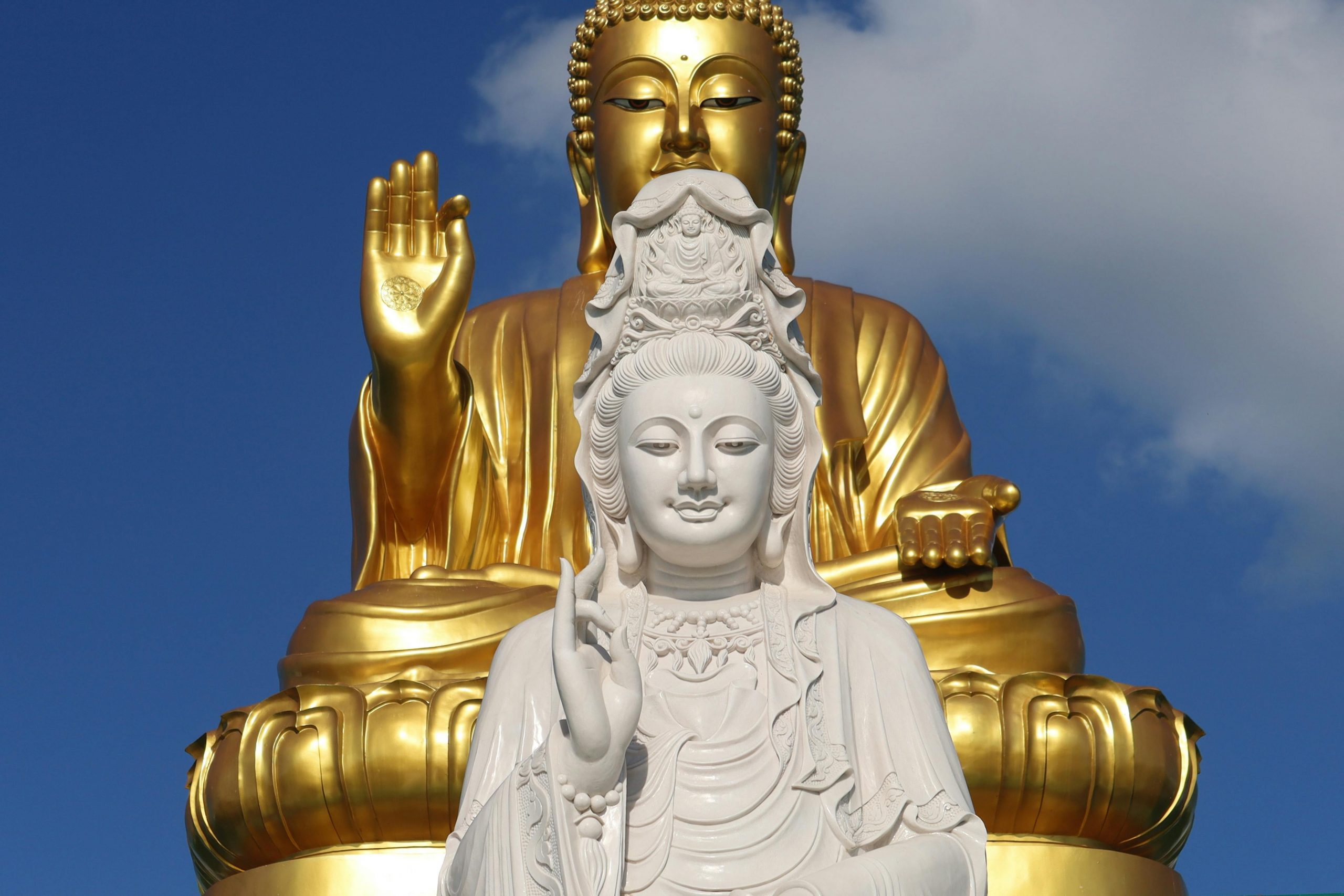
This blog addresses how evil altars control families and nations, including monuments, landmarks, trees, and structures used as altars, and how to discern them spiritually—without fear.
Understanding Spiritual Thrones, Territorial Altars, and How to Discern Them
Every Territory Has an Altar
Nothing shapes spiritual outcomes in families or nations without an altar behind it. Altars are spiritual access points—platforms through which authority is exercised, covenants are enforced, and voices are amplified in the spirit realm.
Scripture is clear:
“They provoked Him to jealousy with foreign gods; with abominations they provoked Him to anger.” (Psalm 78:58)
Where an altar exists, something is being honored. Where something is honored, authority is released. This is why certain families remain trapped in the same battles—and why some nations struggle with persistent violence, immorality, corruption, or bloodshed despite progress and policy.
What Is an Evil Altar?
An evil altar is a spiritual platform established outside of God’s covenant, often through:
• bloodshed or sacrifice
• idolatry
• witchcraft and occult rituals
• covenants and dedications
• sustained rebellion or injustice
These altars speak, demand sacrifice, and enforce patterns—both privately (families) and corporately (cities and nations).
“The voice of your brother’s blood cries out to Me from the ground.” (Genesis 4:10)
Altars give the ground a voice.
How Evil Altars Control Families
1. They Enforce Repeating Patterns
Family altars often explain:
• repeated divorce
• addiction cycles
• poverty and lack
• premature death
• spiritual resistance
These patterns persist not because families are cursed, but because an altar is enforcing agreement across generations.
2. They Demand Sacrifice
Altars always require something in return:
• peace
• children
• marriages
• health
• destiny
If a family constantly “loses something” whenever progress begins, an altar may be collecting payment.
3. They Resist Spiritual Advancement
When someone in a family begins to pray seriously, pursue holiness, or rise into leadership, resistance intensifies. This is because altars fight exposure.
“Tear down the altar of Baal that your father has…” (Judges 6:25)
Cycle breakers are always opposed first.
How Evil Altars Control Nations
Nations, like families, operate under spiritual governance. Before laws are passed, altars speak.
Evil altars at national levels influence:
• culture
• legislation
• violence and bloodshed
• moral decay
• oppression and injustice
“Righteousness exalts a nation, but sin is a reproach.” (Proverbs 14:34)
Sin becomes systemic when an altar legitimizes it.
Physical Structures Commonly Used as Altars in Nations
Not every monument is evil—but many are spiritually dedicated, often unknowingly celebrated.
1. Ancient Trees and Groves
In Scripture, trees and groves were frequent altar sites.
“They set up for themselves sacred pillars and Asherah poles on every high hill and under every spreading tree.” (1 Kings 14:23)
Signs include:
• ritual activity
• historical sacrifices
• spiritual heaviness in the area
2. Monuments and Statues
Statues are often dedication points—honoring ideologies, spirits, or historical covenants.
Indicators:
• rituals during unveiling
• symbolic imagery (serpents, suns, gates, obelisks)
• repeated controversy or unrest around the site
Altars don’t require worshippers to bow—agreement through honor is enough.
3. High Places and Landmarks
Mountains, hills, and elevated structures are strategic altar locations.
“They sacrificed on the high places…” (2 Kings 17:11)
High places symbolize authority and oversight in the spirit realm.
4. Government Buildings and City Gates
In the Bible, gates represented decision-making authority.
Altars near gates influence:
• justice systems
• leadership decisions
• national direction
This is why prayer at gates is powerful—and why the enemy targets them.
5. Sites of Bloodshed
Land where blood was shed unjustly often cries out.
“The land is polluted with blood.” (Numbers 35:33)
If blood is not addressed by repentance, the ground keeps speaking.
How to Identify an Evil Altar Spiritually (Without Guessing)
1. Observe the Fruit
Altars reveal themselves by outcomes:
• persistent violence
• immorality normalized
• corruption entrenched
• cycles that resist reform
2. Discern Repetition
If the same issue resurfaces across decades, something deeper is enforcing it.
3. Watch Resistance to Prayer
Areas where prayer is mocked, resisted, or heavily opposed often house strong altars.
4. Pay Attention to Spiritual Atmosphere
Heaviness, confusion, hostility, or moral numbness can signal altar activity.
5. Rely on the Holy Spirit
True discernment comes from God—not research alone.
“He reveals deep and secret things.” (Daniel 2:22)
How God’s People Respond to Territorial Altars
God never instructs His people to fear altars—but to confront them spiritually. Luke 10:19 tells us we have full authority over them. It is for them to fear us… not us to fear them!
Biblical response includes:
• repentance
• intercession
• raising God’s altar
• prophetic prayer
• righteousness in leadership
“Then Elijah repaired the altar of the Lord that was broken down.” (1 Kings 18:30)
Evil altars are not merely torn down—they are overruled.
Closing: Altars Can Be Replaced
Families change when someone raises God’s altar.
Nations shift when righteous altars speak louder than ancient ones.
The issue is not whether altars exist—the issue is which altar has the louder voice.

Leave a Reply